EN
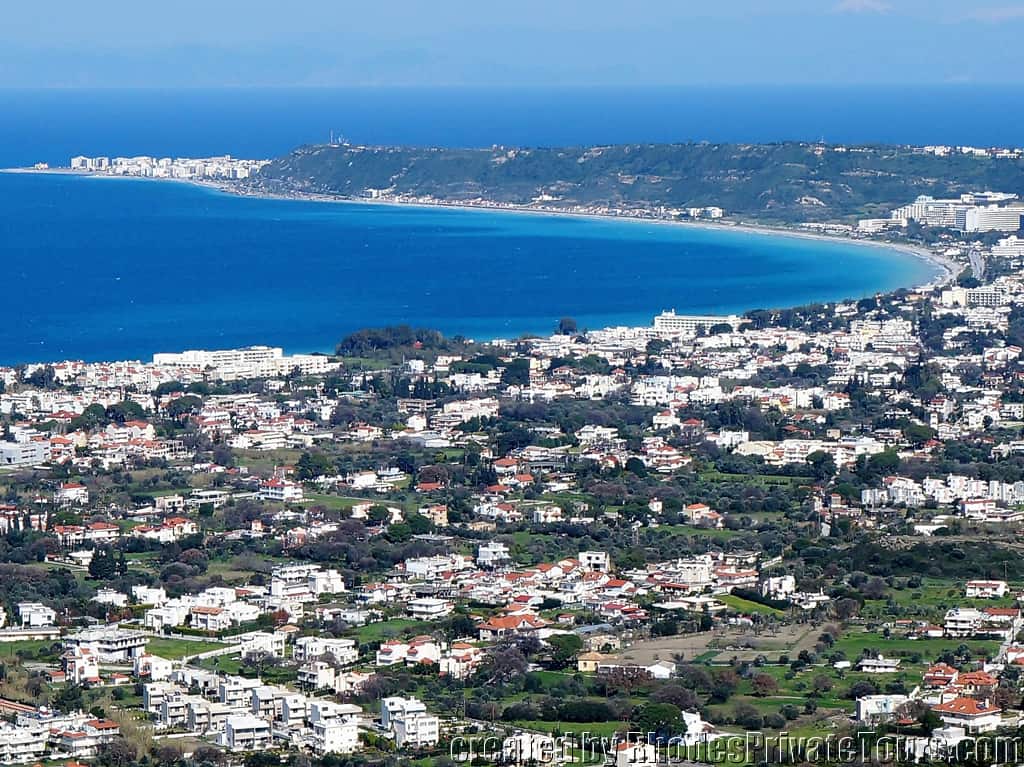
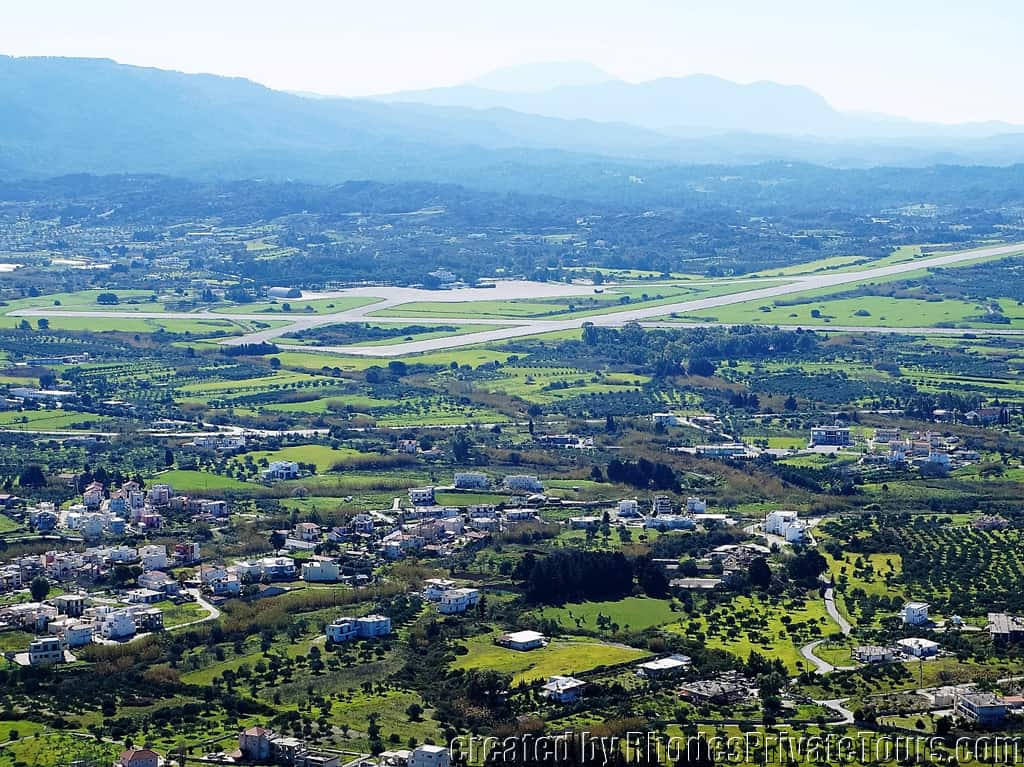
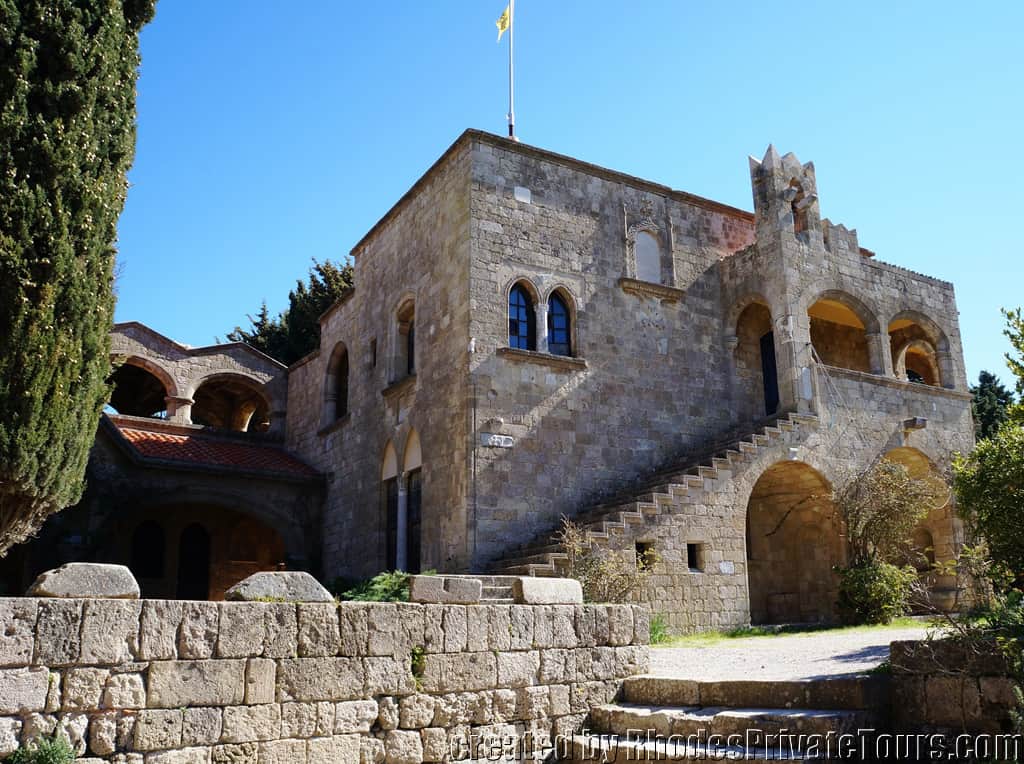
Filerimos Mountain is found out of Rhodes Town about 14 km / 8 miles on the west region of the island. Additionally to the view of the Aegean Sea, this place is an very important archaeological site. Here once stood the Acropolis of the Ancient Ialyssos with a very important temple dedicated to Athena Polias. The hill took its name from a monk who came from Jerusalem within the 13th century bringing with him an icon of the Blessed Virgin painted by the Apostle Luke. The old monastery remains to be explored.
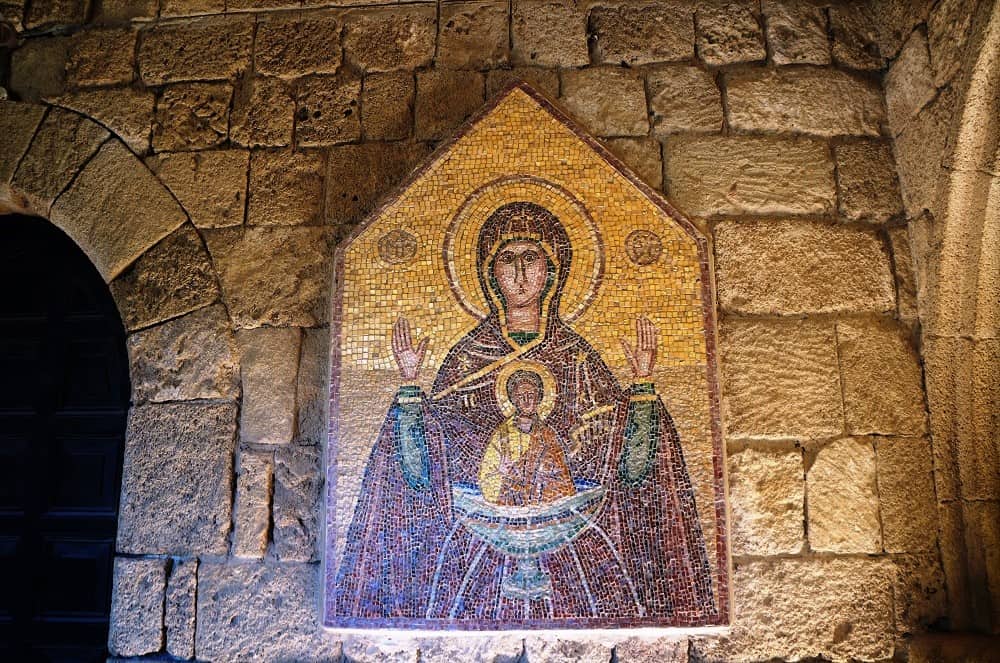
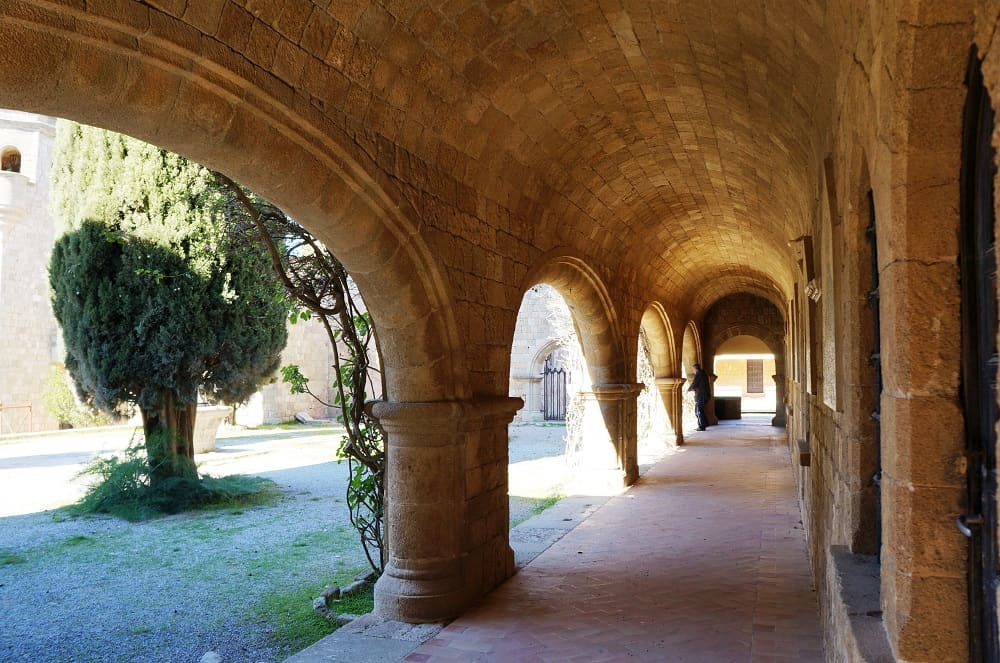
When Christianity first grew its roots in Greece (before spreading within the world), many of the traditional/ancient cult sanctuaries were transformed into churches. At that point the temple of Athena Polias was converted into an early Christian three-aisled basilica dedicated to Virgin Mary (Panagià, Παναγιά). The church is well-known since for housing the icon of the Virgin Mary of Filerimos (our lady of Filerimos). within the 14th century under the rule of the Knights of St. John a monastery was built, surrounded by cloisters and cells and variety of chapels. there’s where the miracle-working icon is so reverently kept.
When the island came into the possession of the Ottoman Turks, the icon was taken by the Knights to France and from there to Italy, then Malta and Russia, where it stayed until the 1917 revolution. Since 2002, it’s been kept in the Blue Chapel of the National Museum of Montenegro and a duplicate has been put in its place.
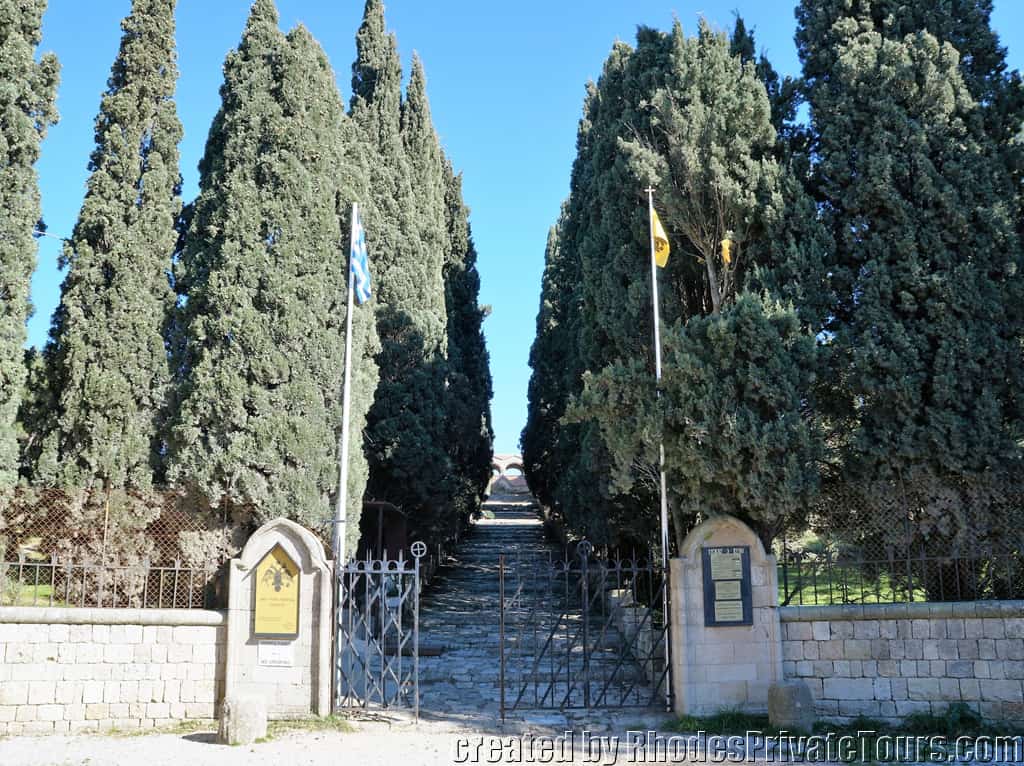
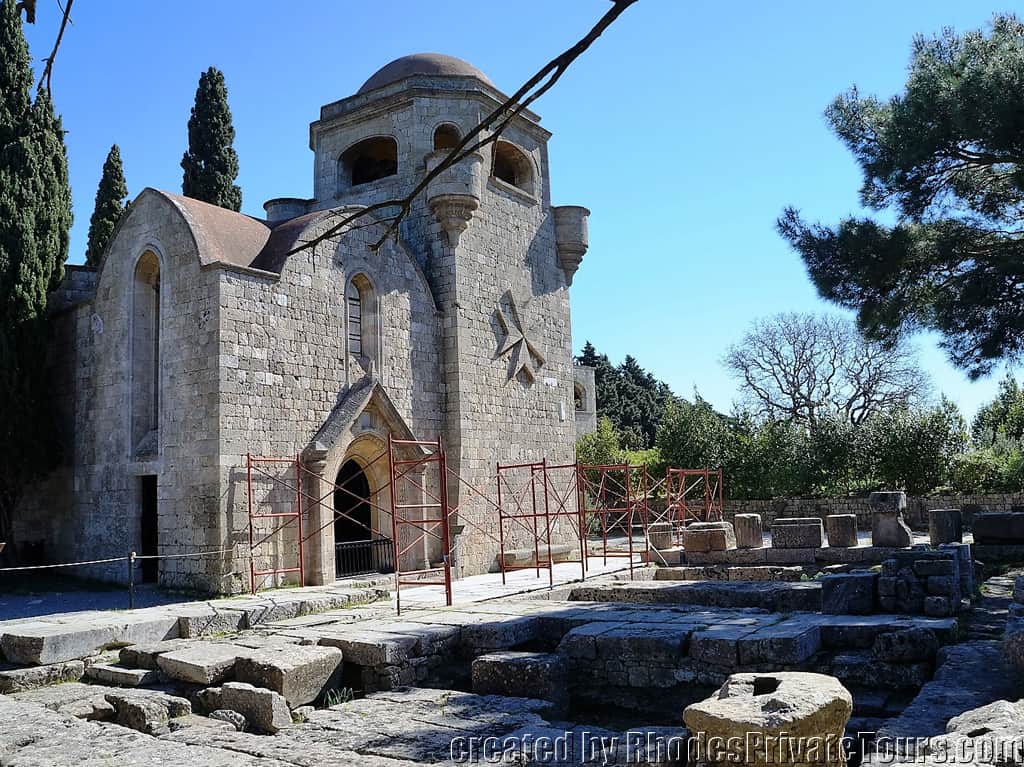
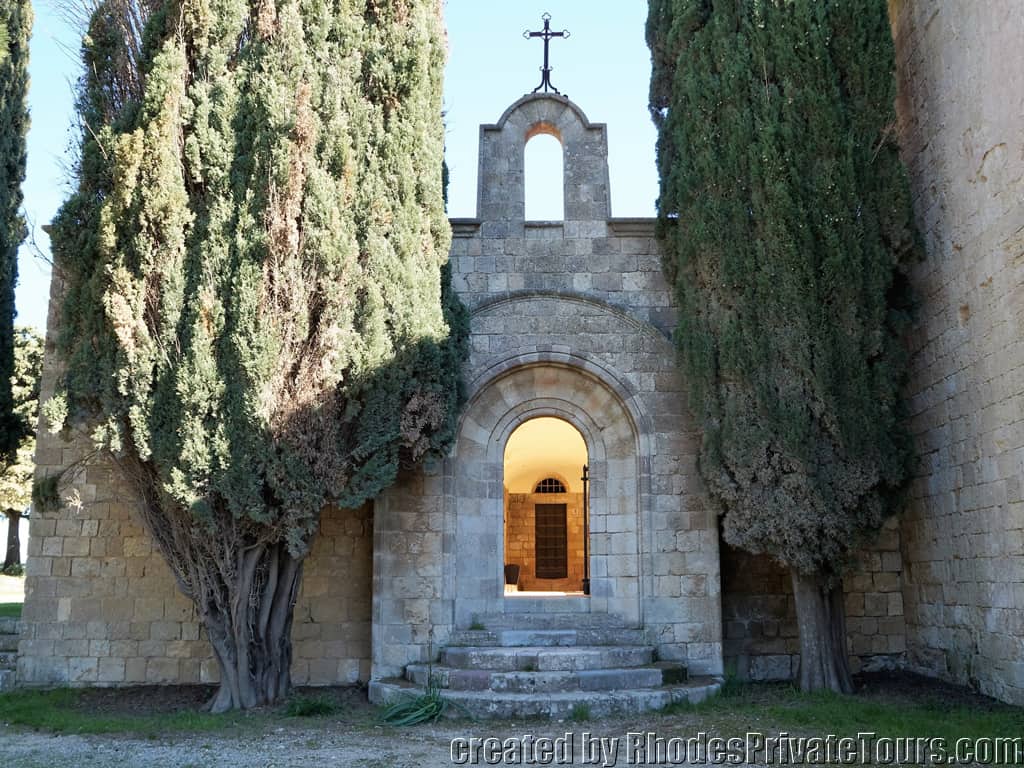

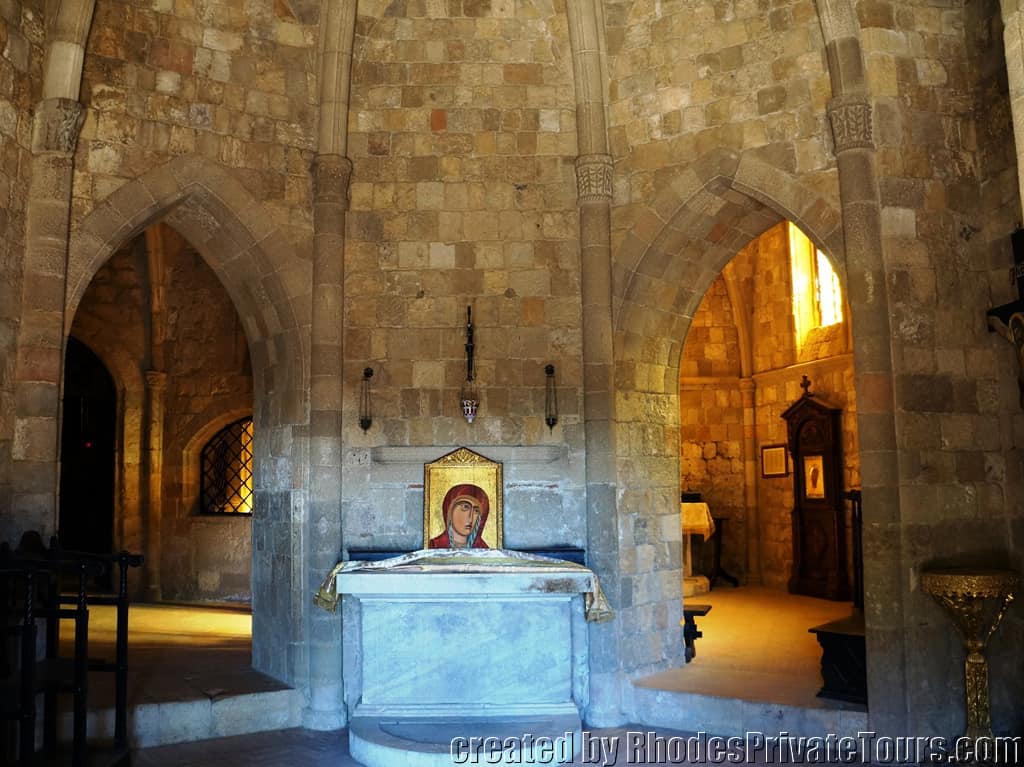

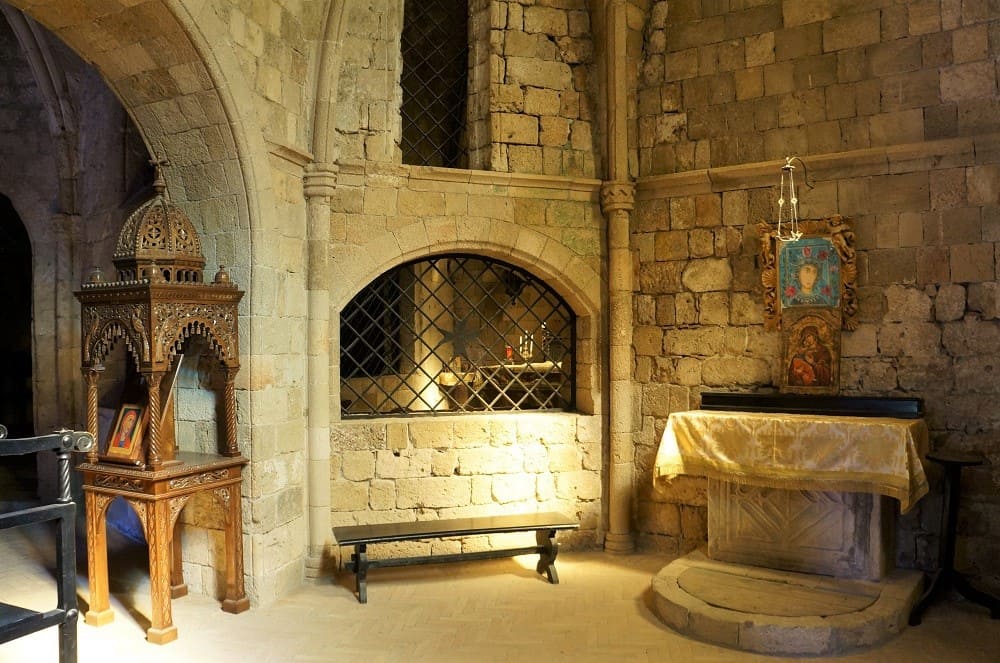

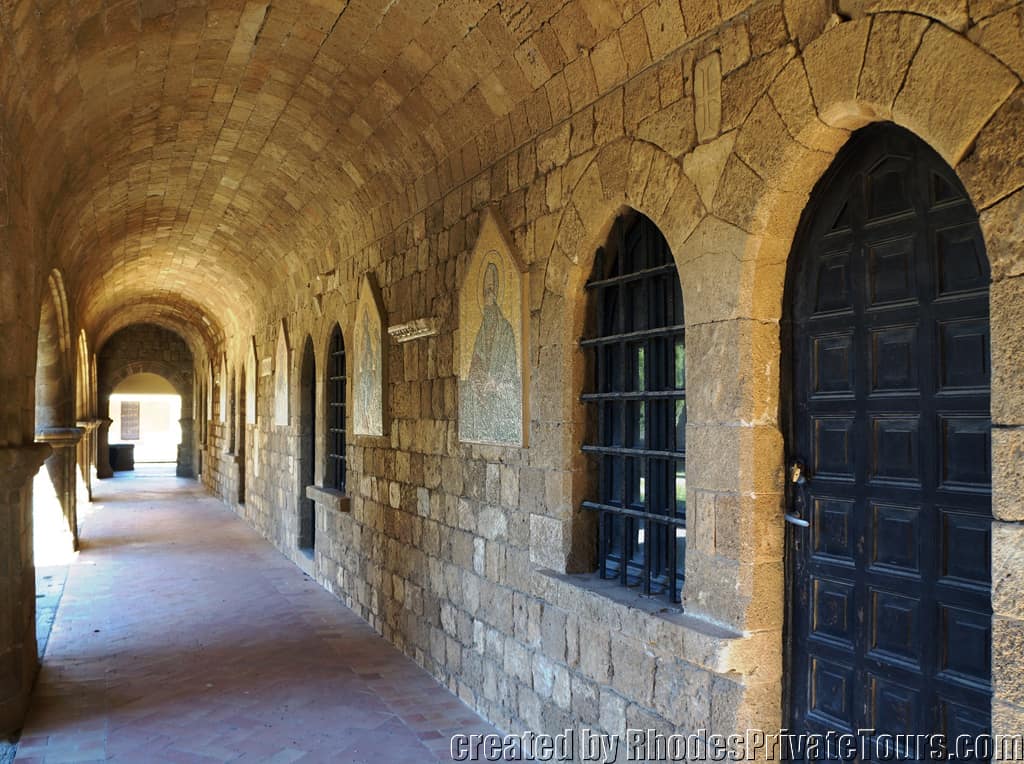
The monastery was destroyed during the Turkish occupation. The Italians rebuilt the monastery during their occupation (1912 - 1943) and kept it open with monks from the Catholic Capuchin Order. Behind the church are the monks’ cells, the walls of which are decorated with mosaic depictions of saints. During the 2WW the monks returned to Italy and since then the monastery has been closed. The central church of the monastery was more sort of a small chapel to the Virgin Mary and young couples had romantic weddings there.
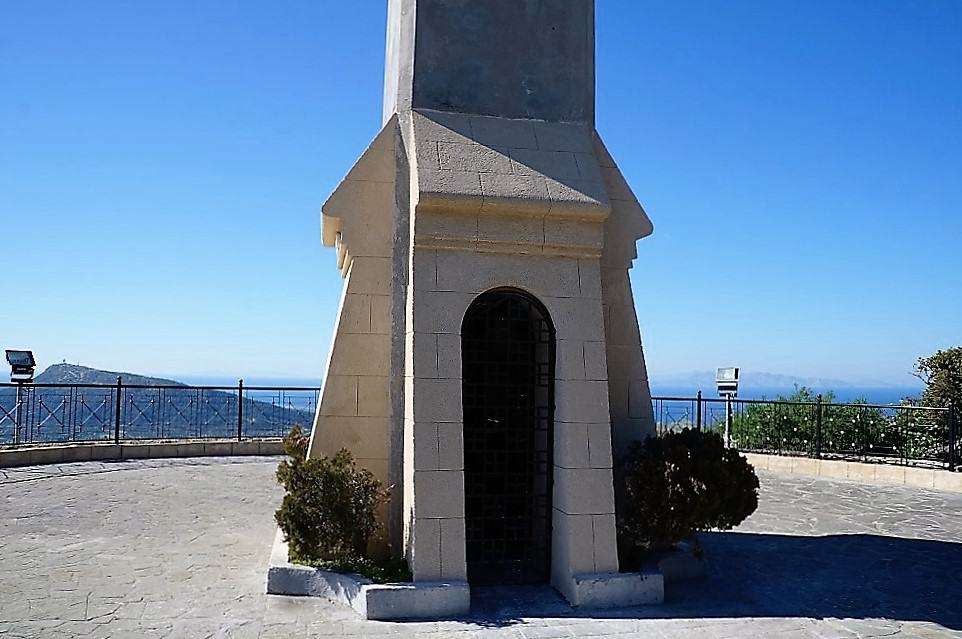
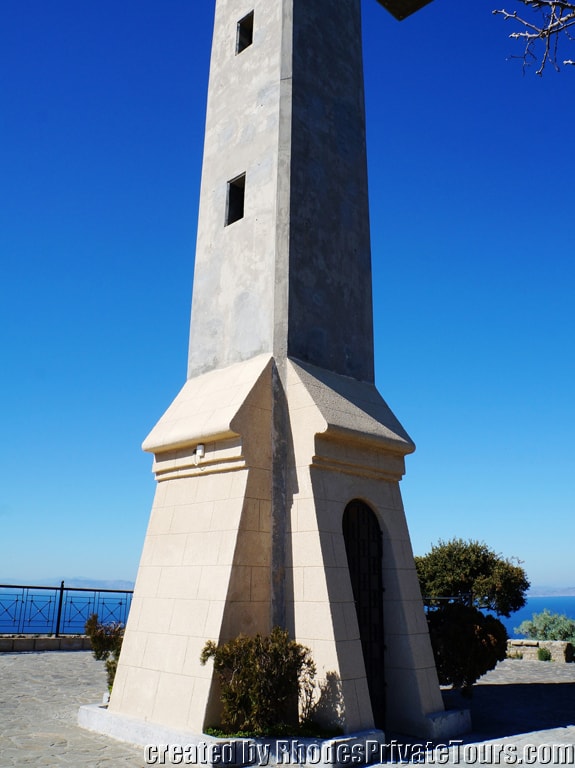
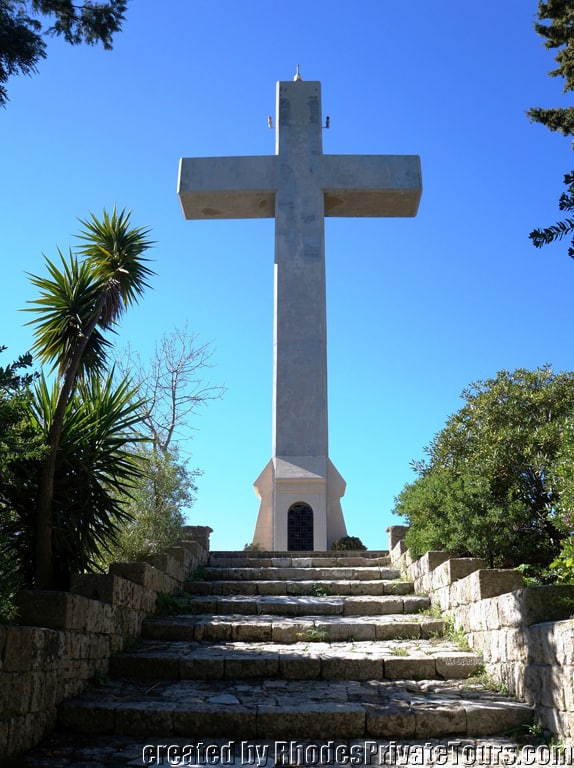
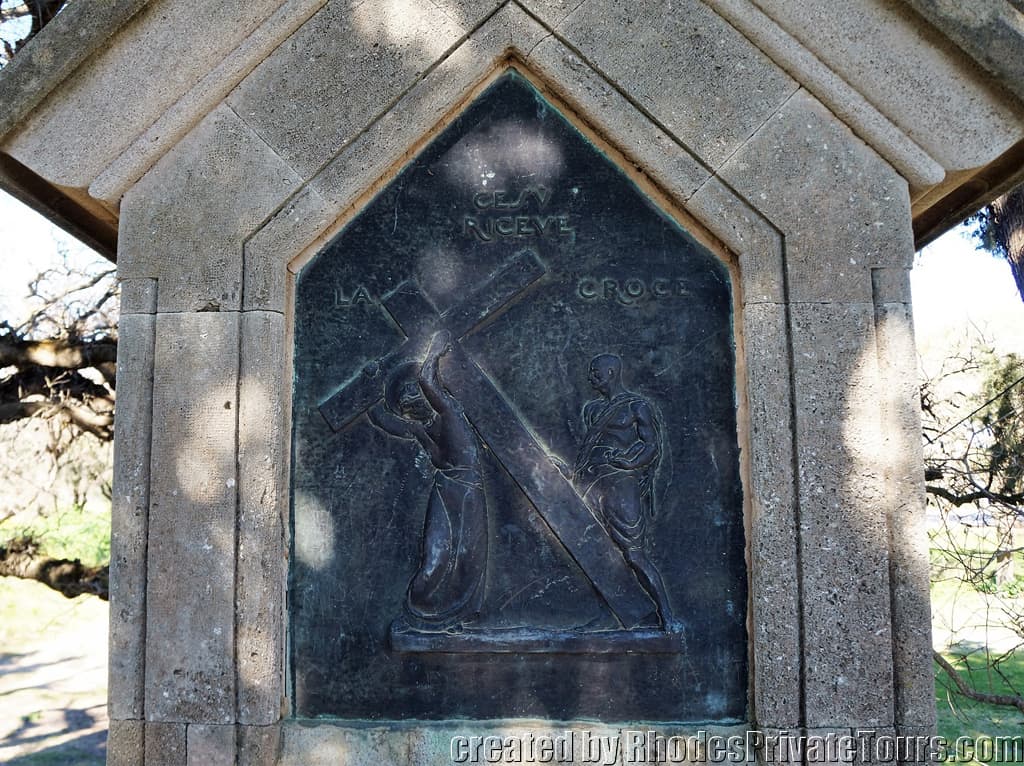
There is a pathway that sets off from the square that leads to the westernmost point of the hill. The Road to Golgotha (Via Dolorosa or Way of the Cross) used by the Catholics was dotted with holy icon-stands and bronze reliefs with representations of the Passion of Christ. Here an imposing iron Cross stood in the middle. (Today it’s a concrete Cross). The Via Dolorosa is the journey undertaken by Jesus, starting at the place where Pilate sentenced him to death and ending on Mount Golgotha (Calvary) and is also known as Via Crucis. Jesus walks this distance carrying the cross upon which he will be crucified.


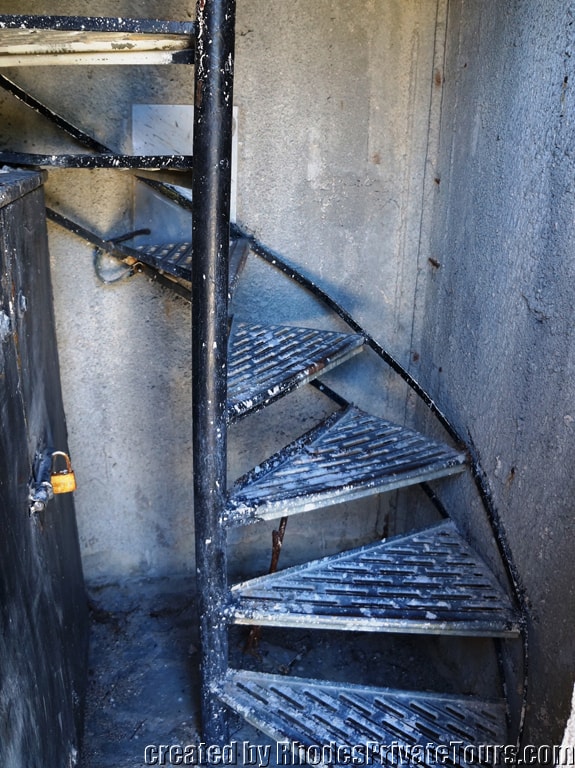
The 16 meter / 48 feet imposing concrete cross standing in the middle of the small square. You can even climb up the cross and take in the view from the arms.