
EN
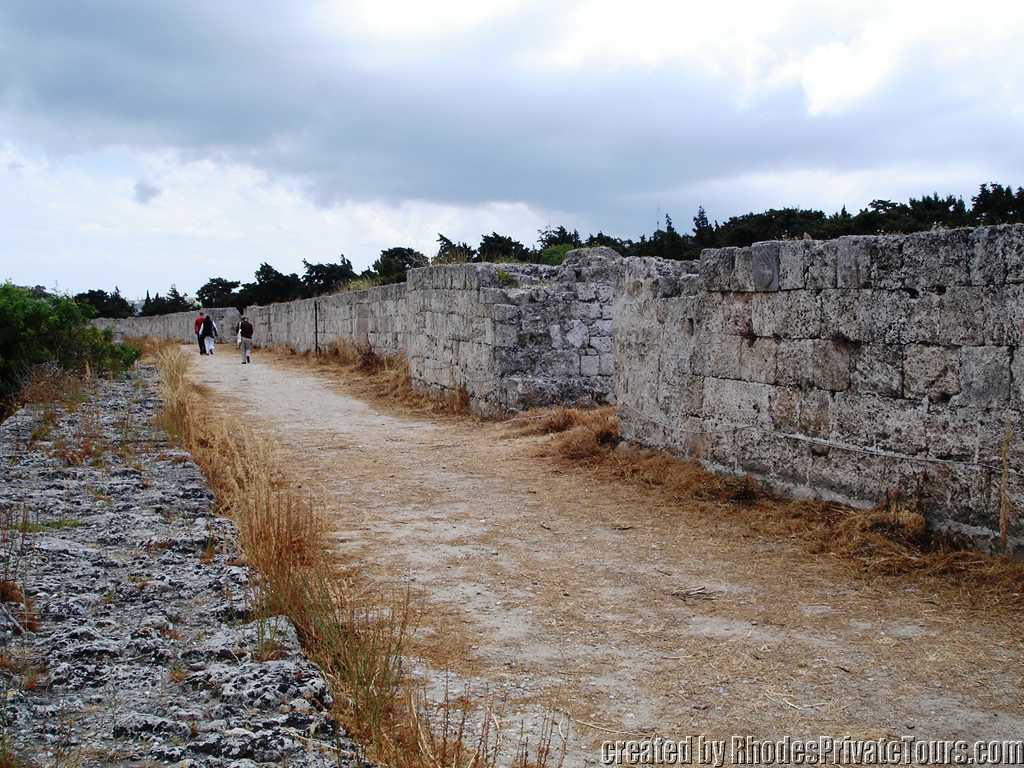
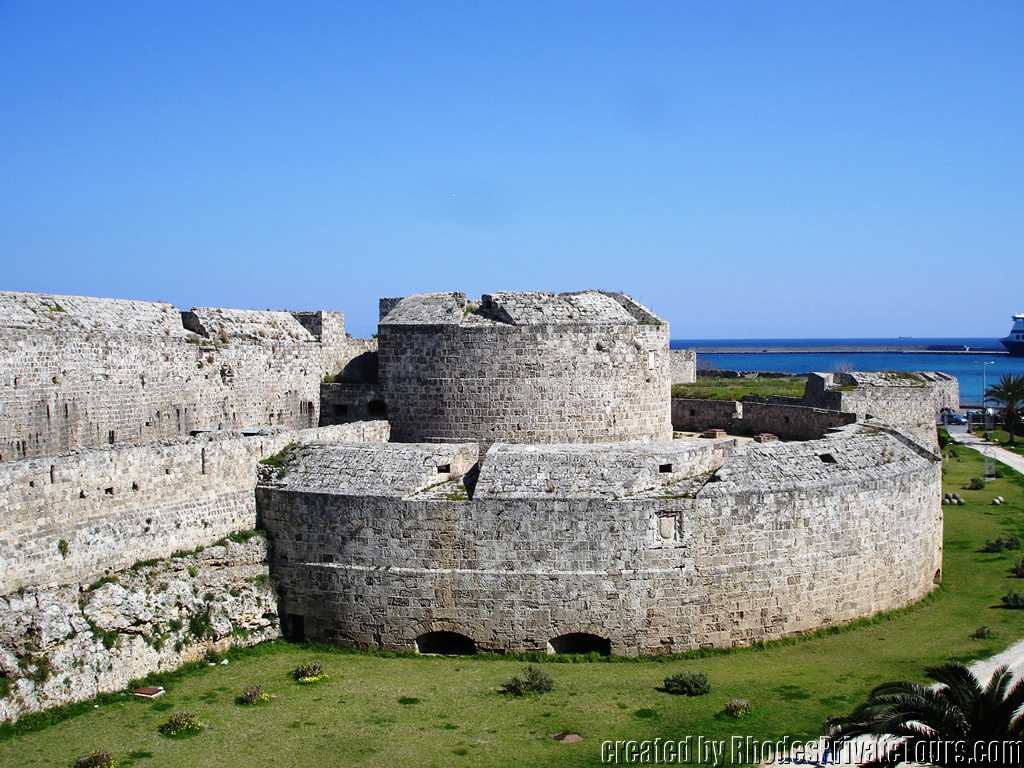
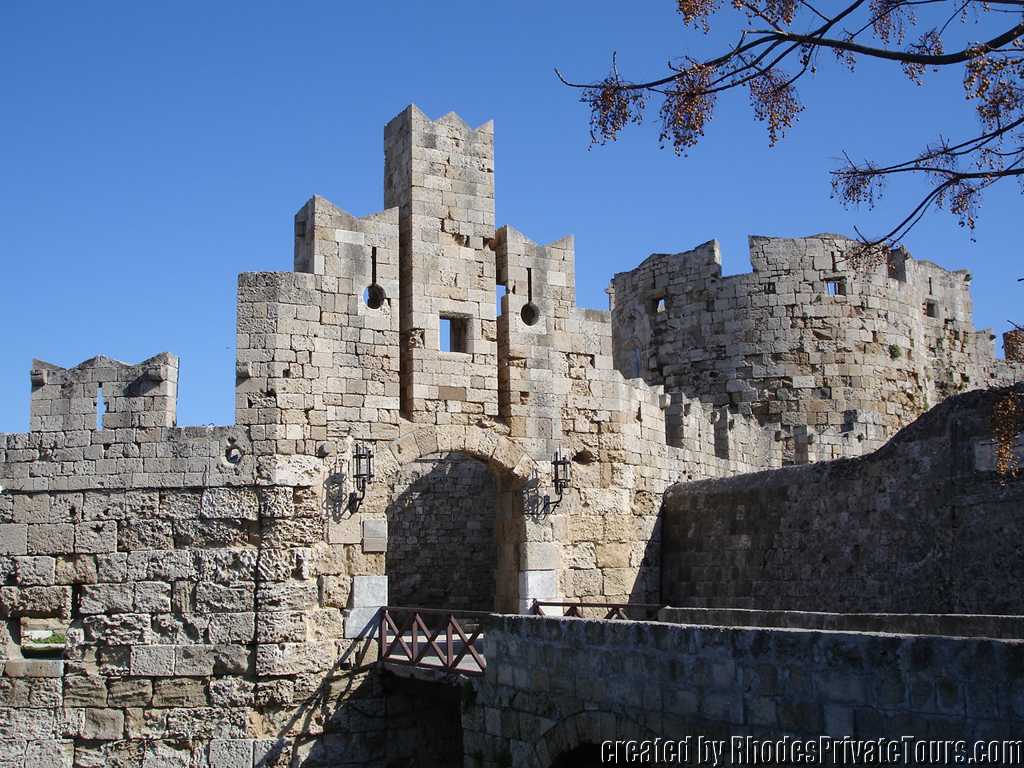
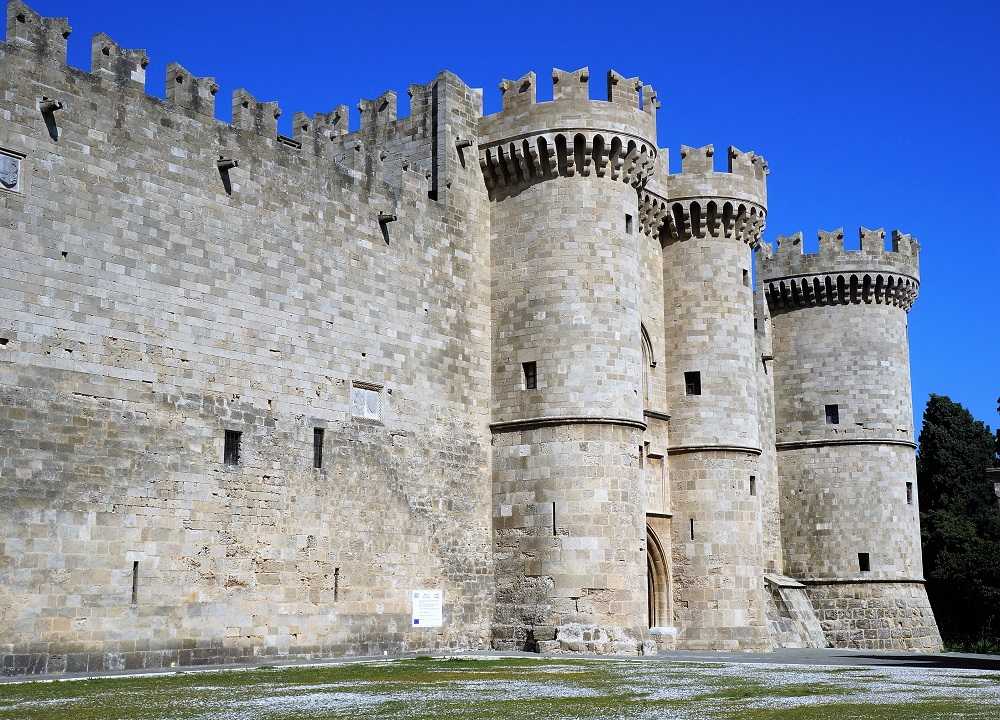
The Old Town is encircled by strong medieval walls, typical examples of the techniques of fortification of the 14th - 15th century. The walls of Rhodes are unique in Europe because of their style and wonderful state of preservation. Contained within the walls are shops, restaurants, and historic sites that will keep visitors engaged for hours.
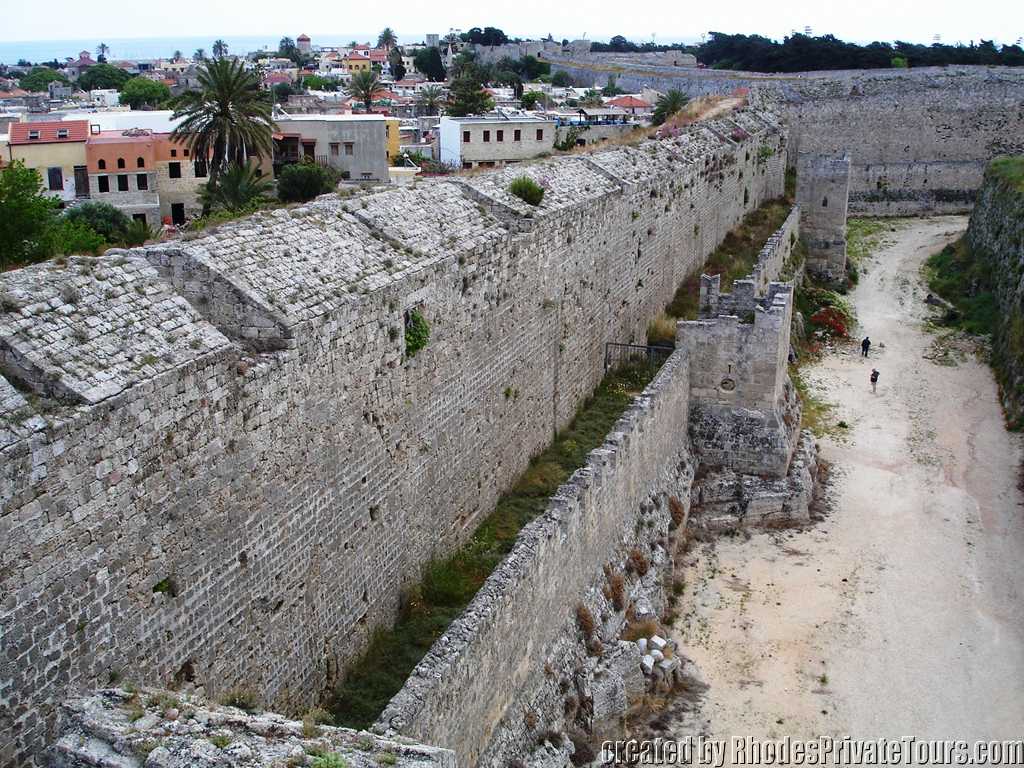
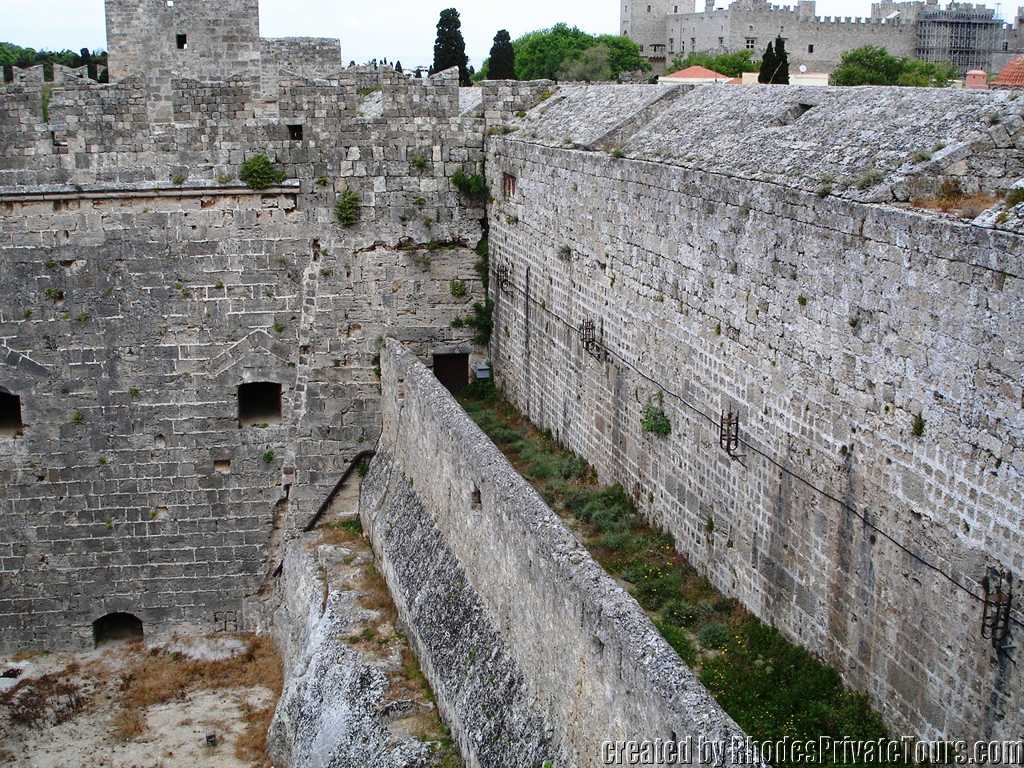
The wall is as massive as it is imposing. It is a continuous, 4 Klm / 2.5 mi. long, which is surround the old town. Is stone construction that supports a walking platform from which the Knights could move and fight where needed. Massive towers and bastions project from several place and they are decorated with elaborate stonework, while a wide dry Moat provided the first line of defense. To ensure the enemy could not easily fill it, the ground on the opposite side was contained by a massive wall, which was difficult to dismantle.
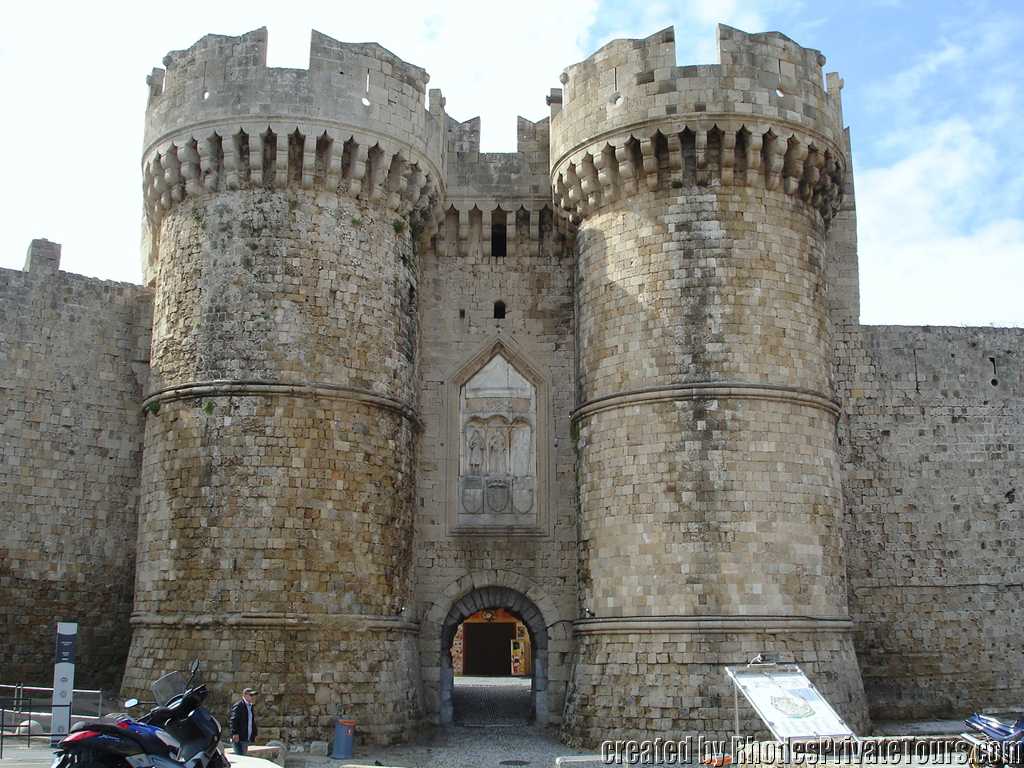
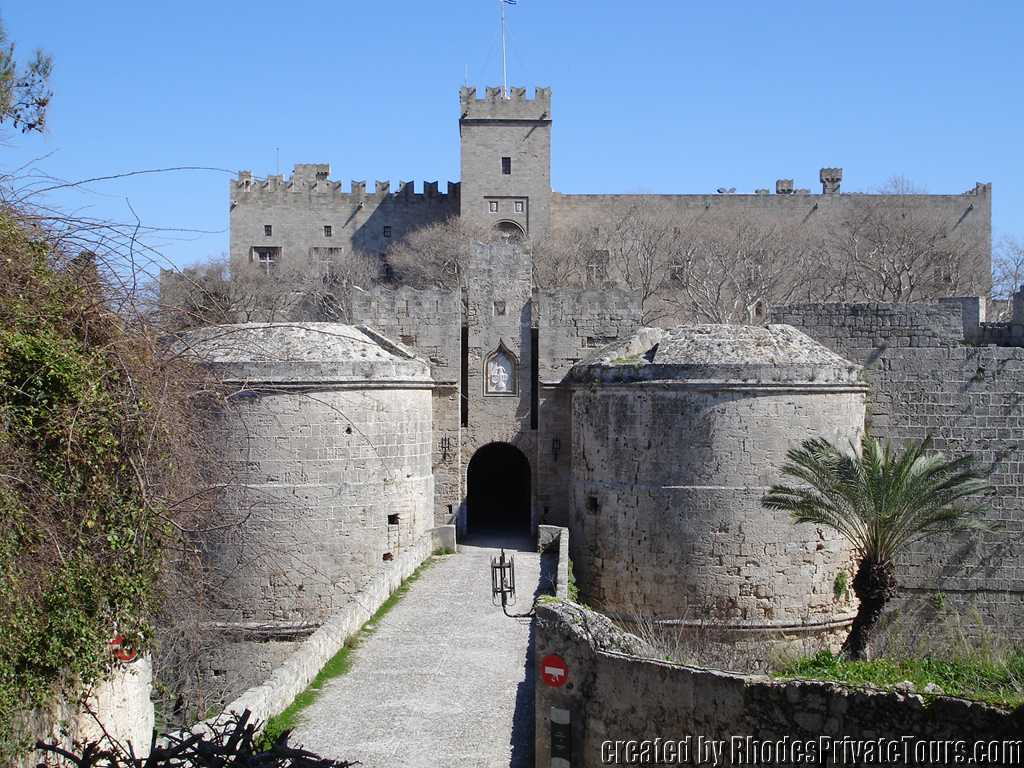
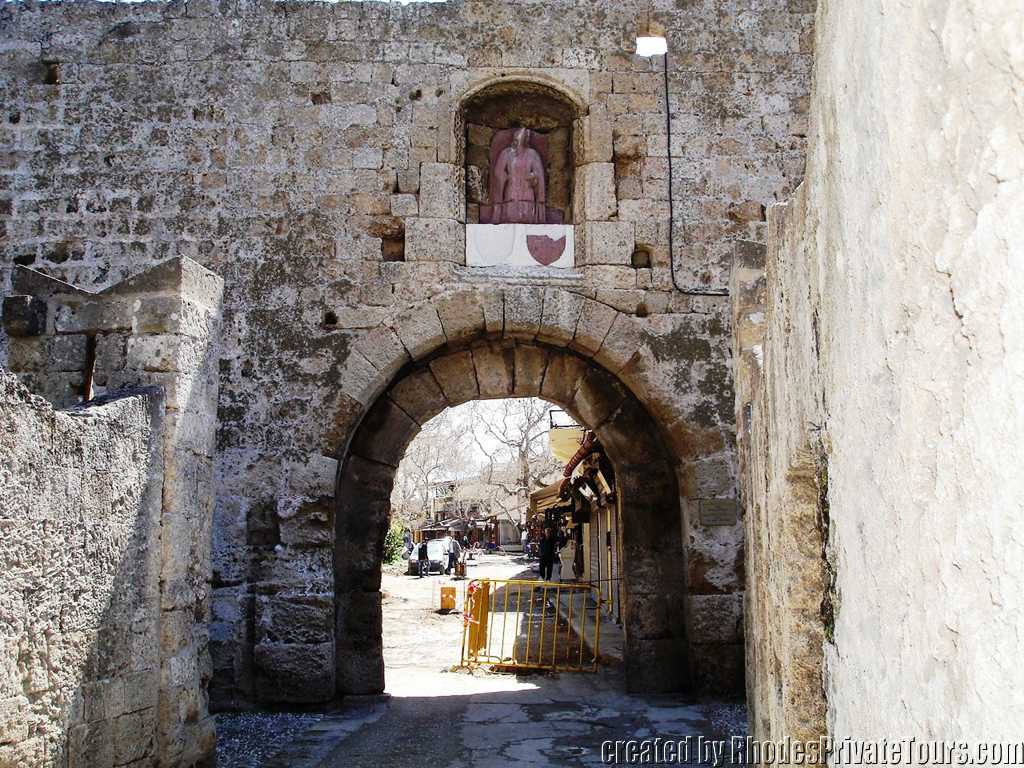
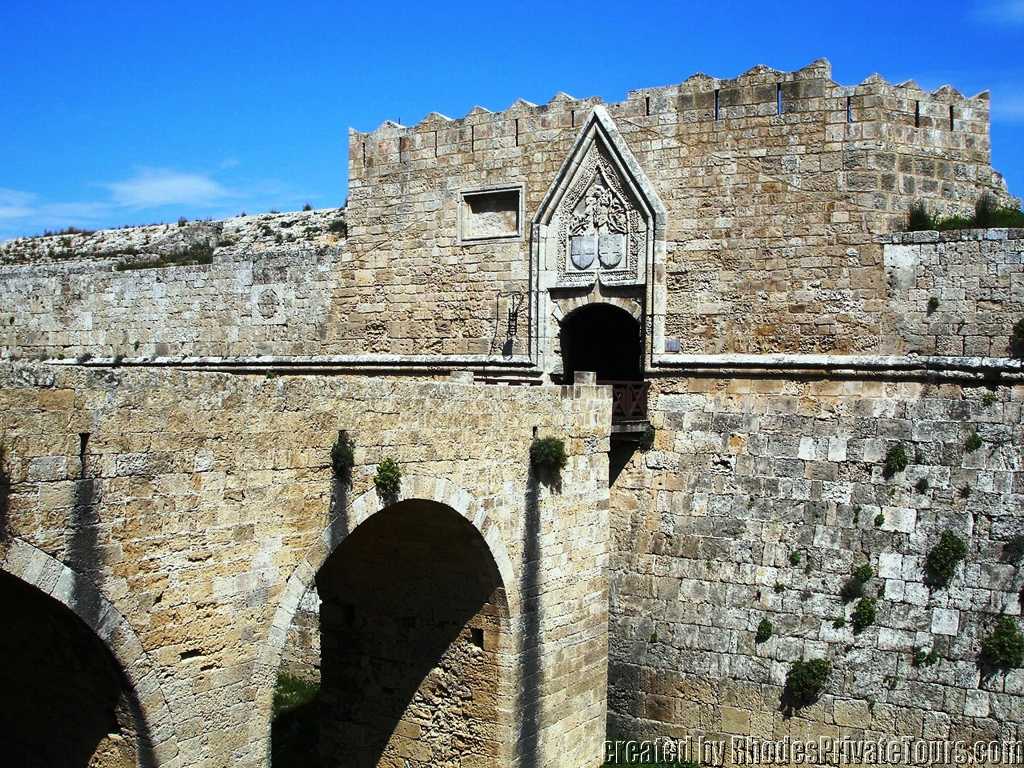
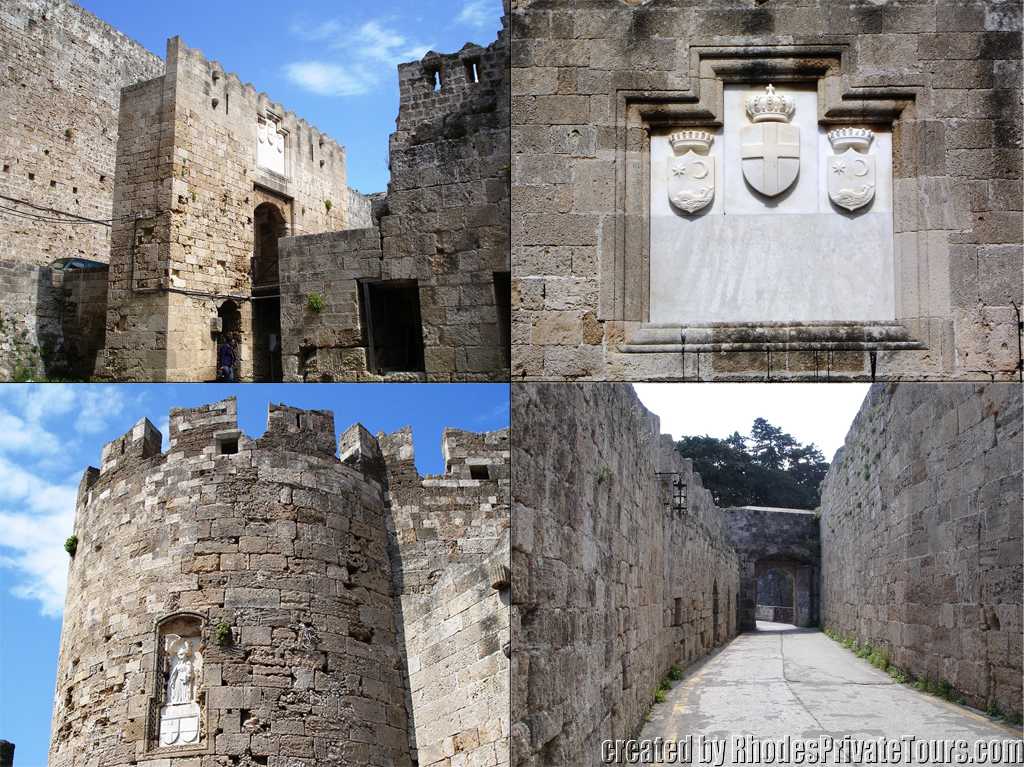

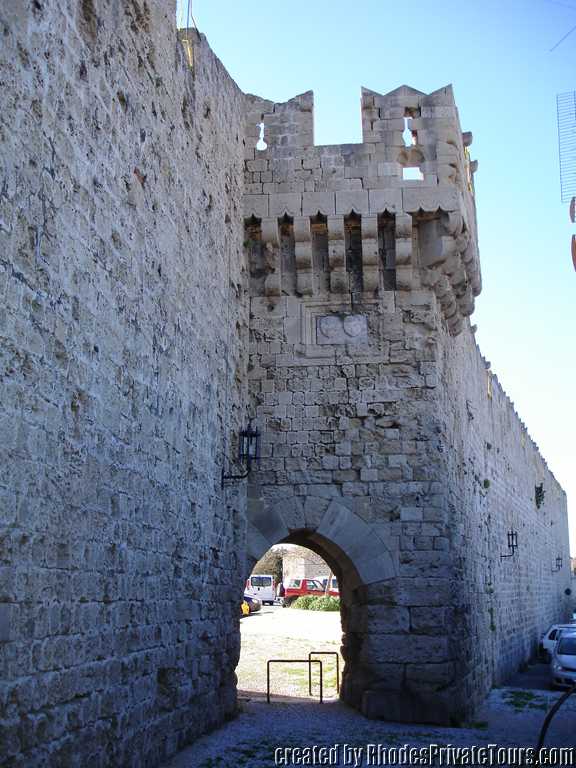
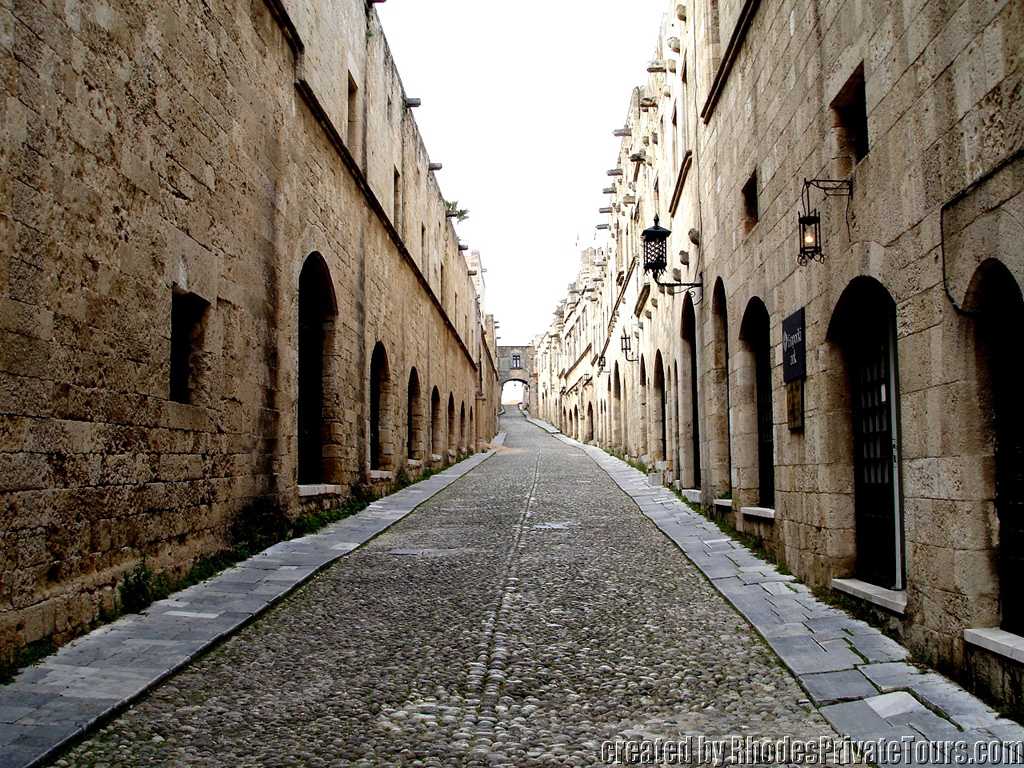
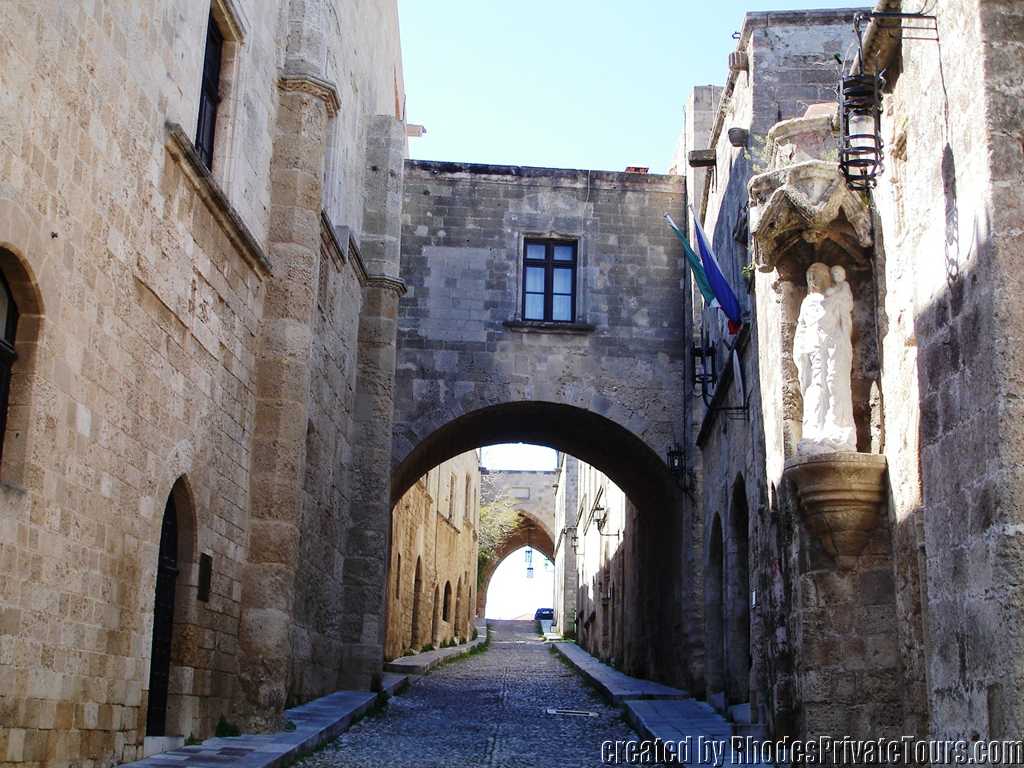
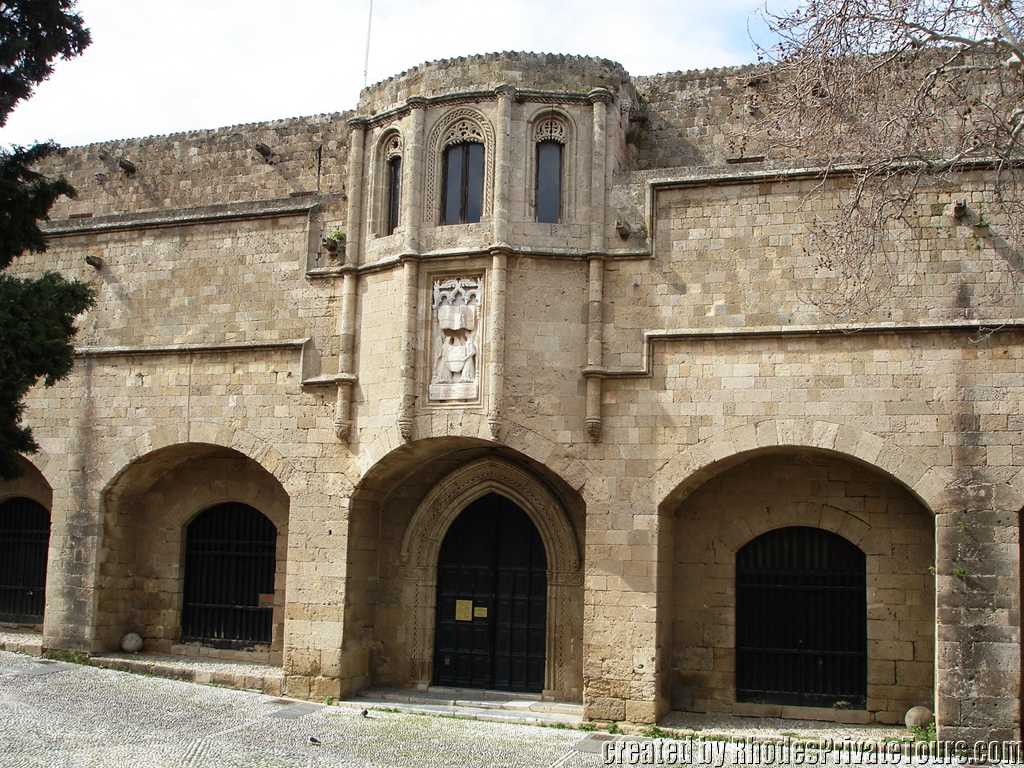
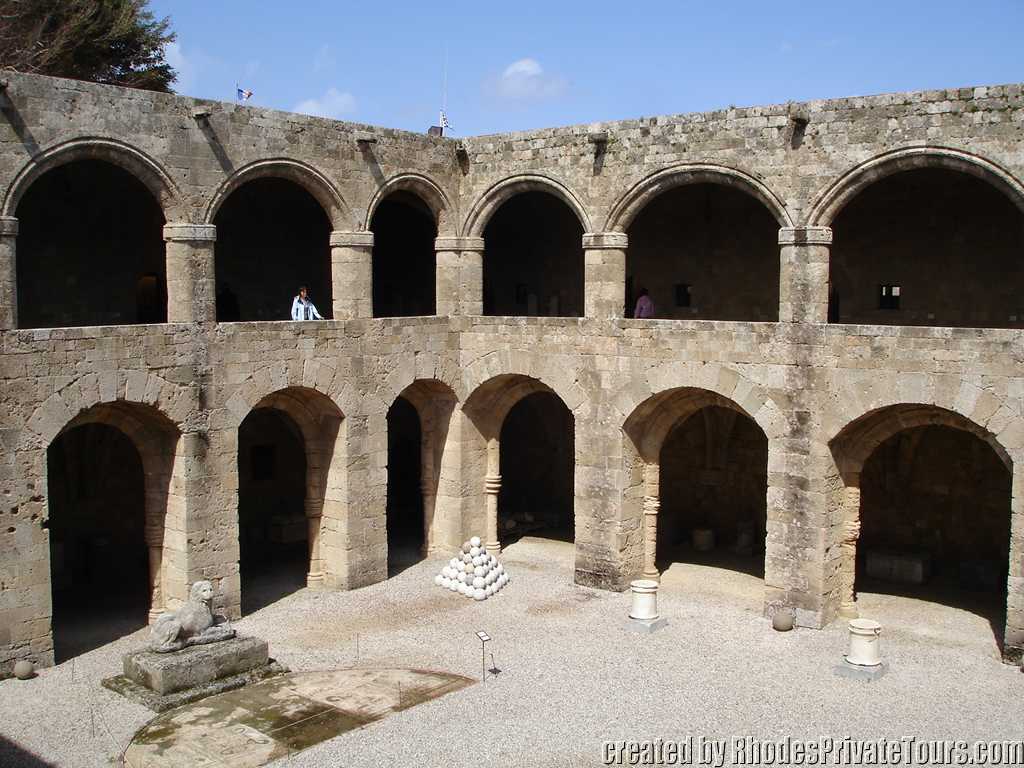
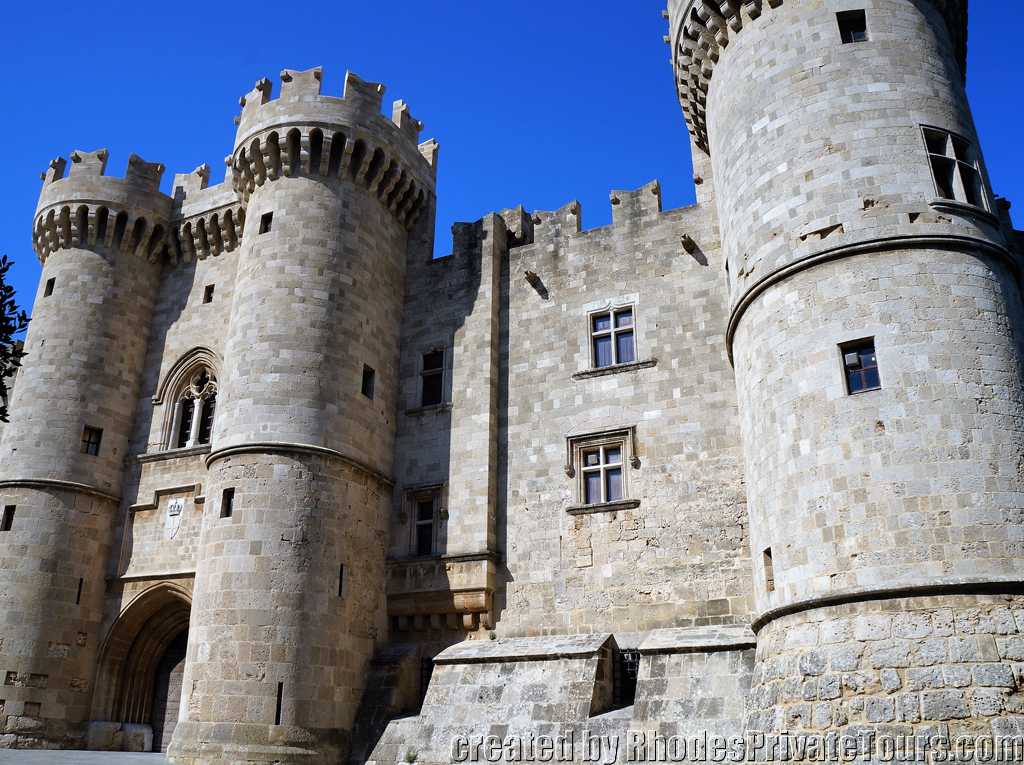
An interior wall running east-west divided the city into two unequal parts. The more northerly, and smaller, of these parts was called the Collachium. The most beautiful part of the old town is the so called “Street of the Knights”. Its medieval grandeur, which has been preserved and has survived throughout the centuries. The street links the “Hospital of the Knights” to the “Palace of the Grand Master”.
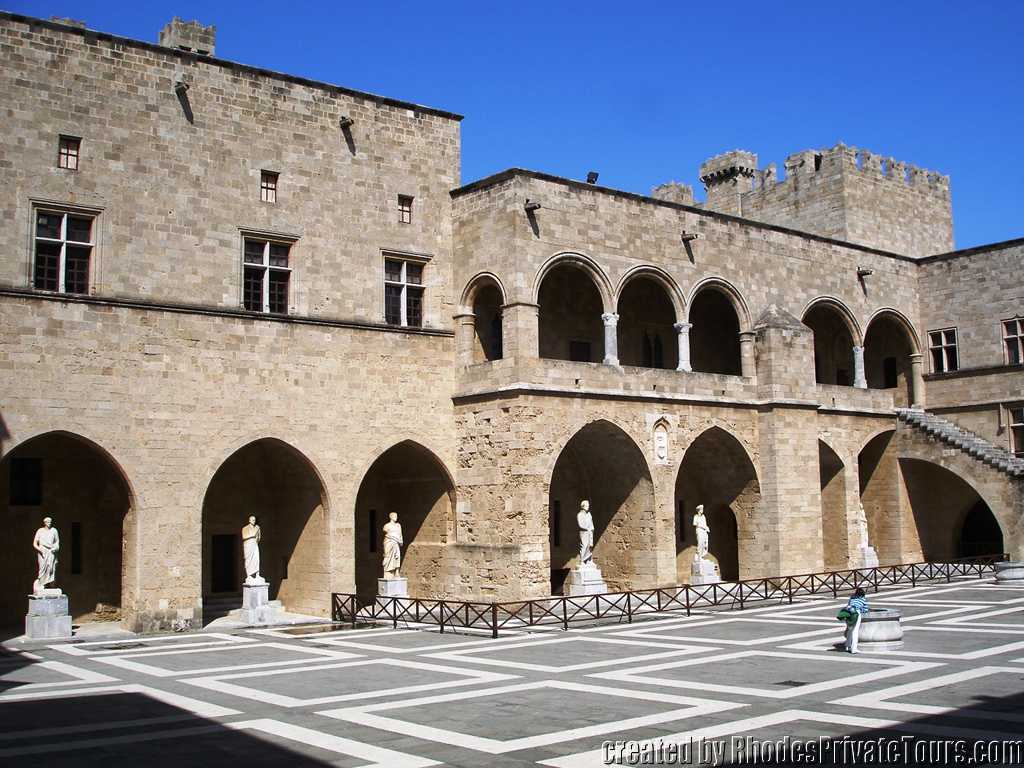
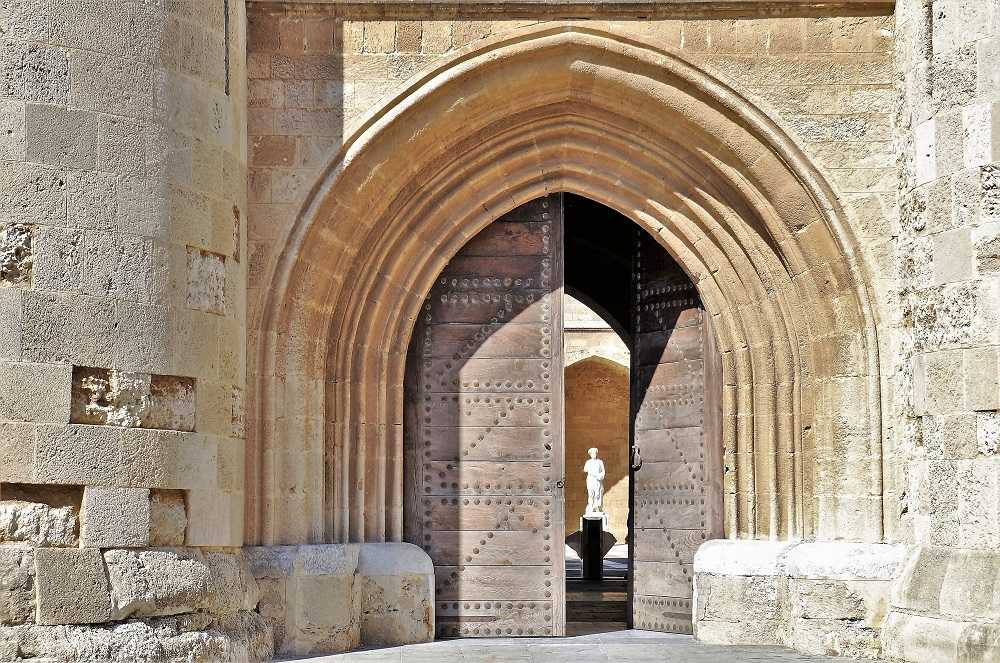
The larger southern quarter was the town itself, known as the Burgo, Burgus, Burgum or Hora. Here lived a blend of races, with the Greeks in the majority.

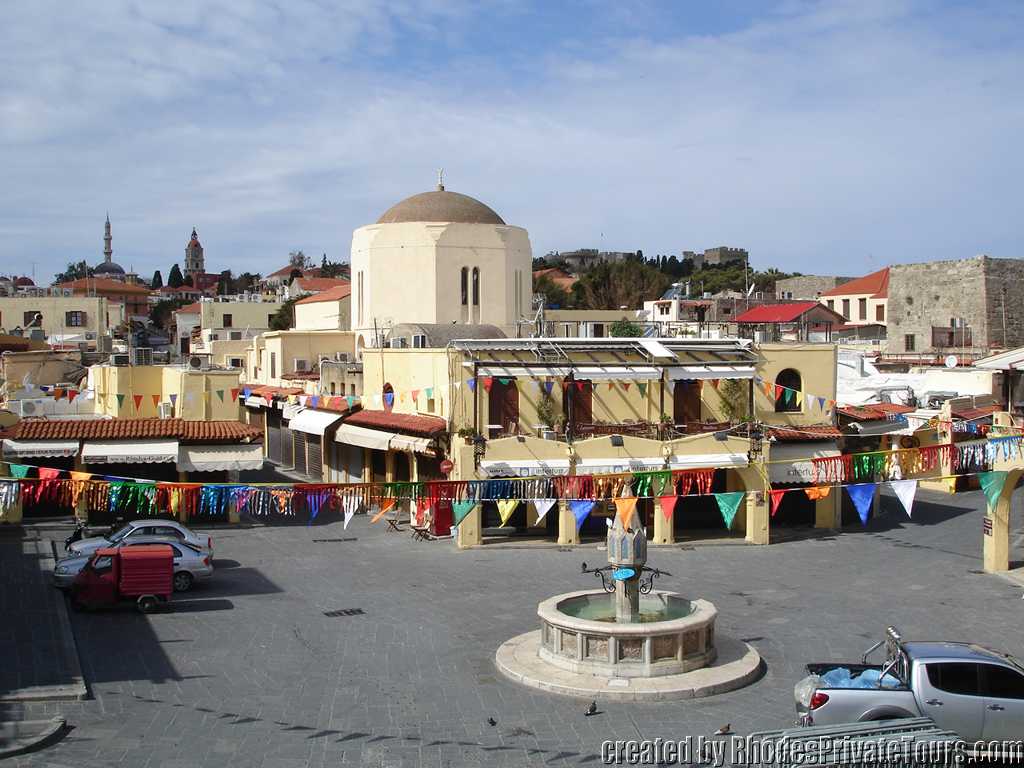

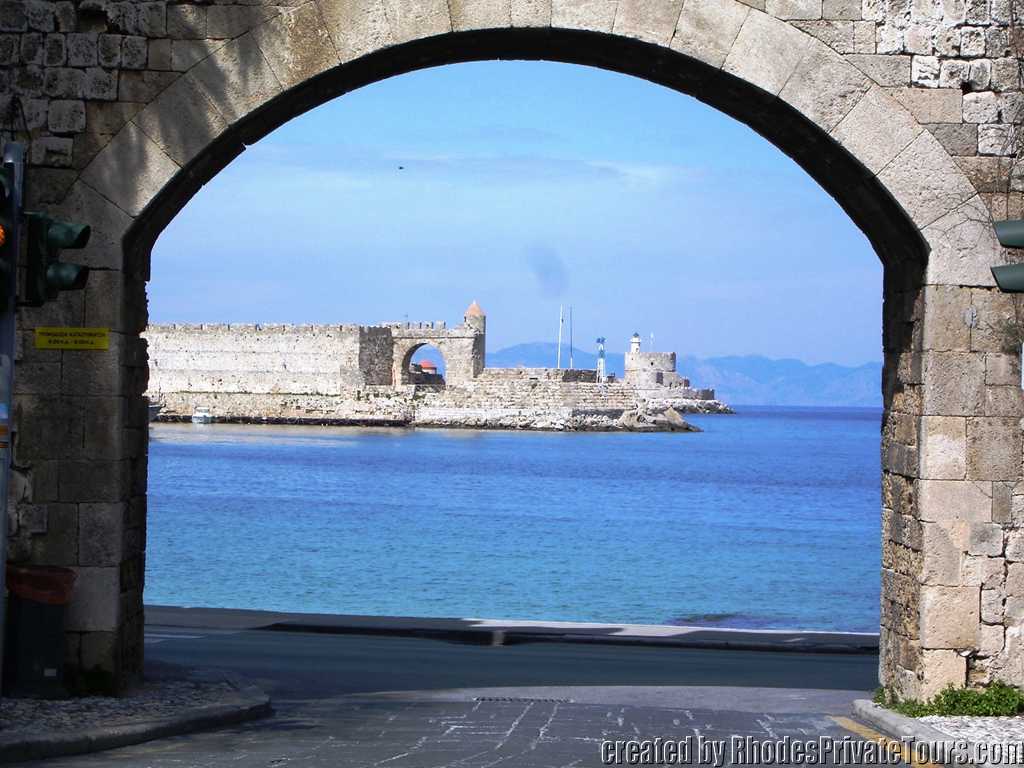
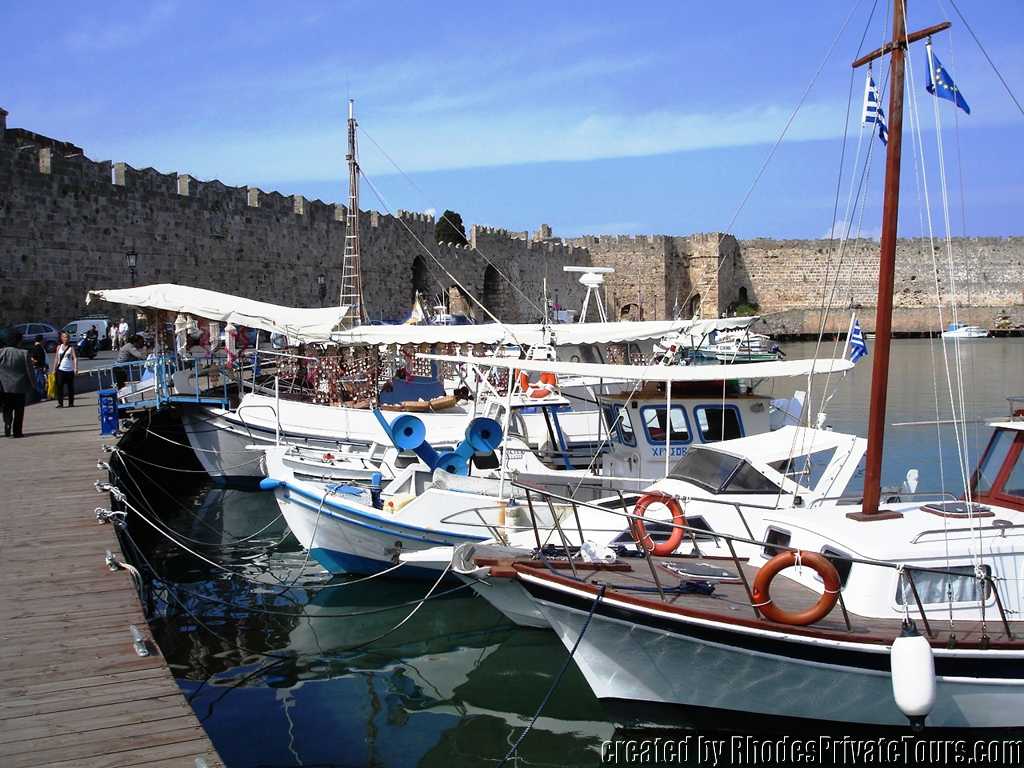

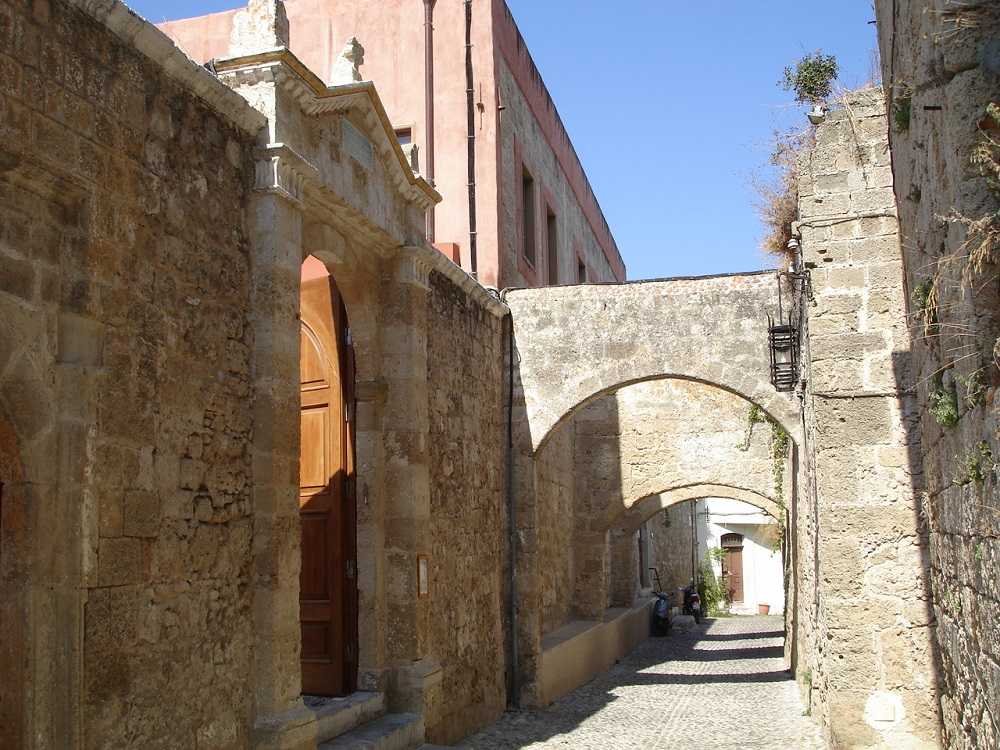
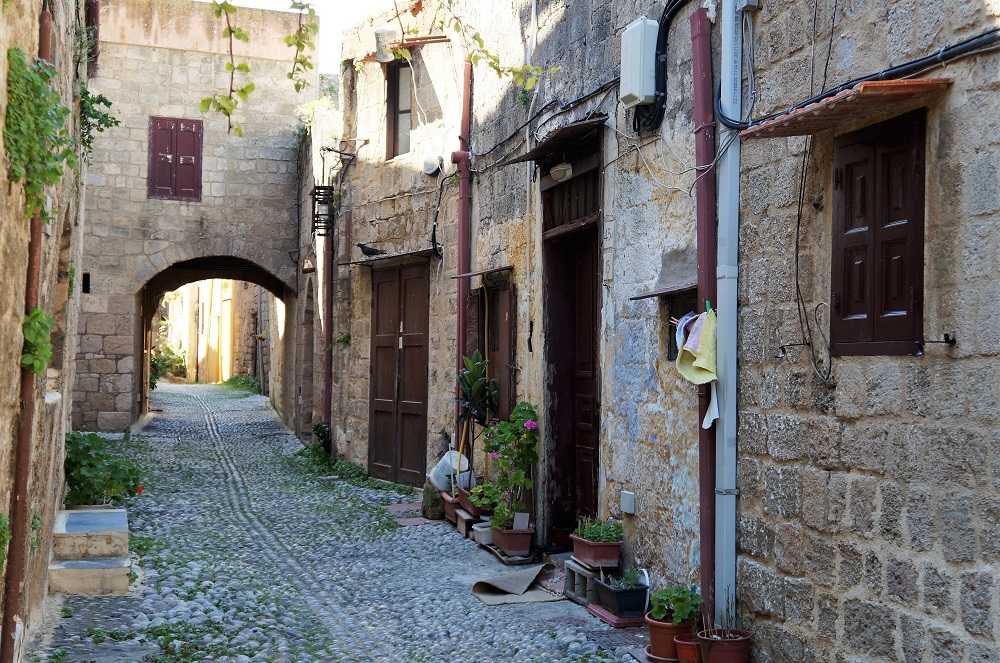
The Medieval Town of Rhodes is inscribed in the List World Heritage Sites of the Convention for the Protection of World Heritage of the UNESCO. Inclusion in this list recognizes the exceptional value of a cultural site so that it may be protected for the benefit of all Humanity.